>>

A crunchy, sweet-and-sour Korean-style carrot salad with a spicy kick — quick to make, great for potlucks, and easy to prepare ahead.
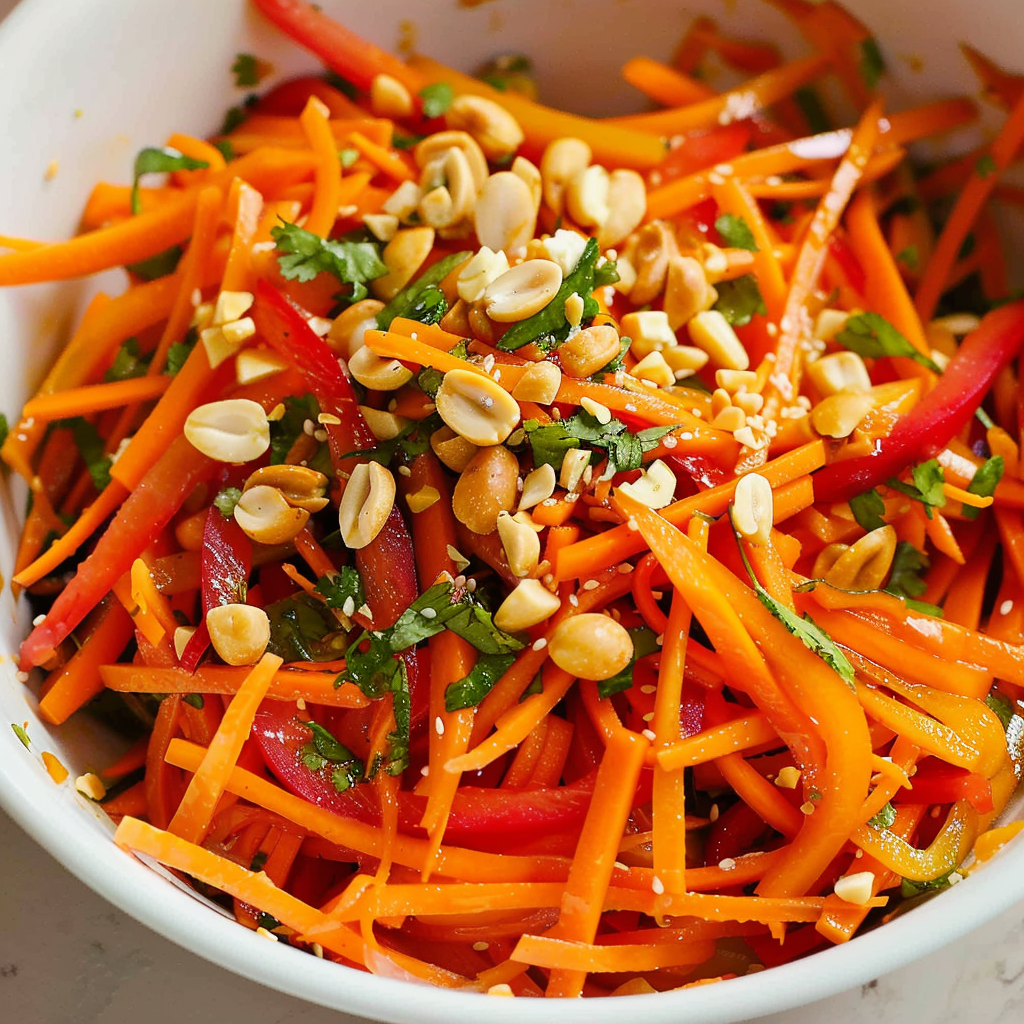
This Spicy Korean Carrot Salad has been a revelation for my weeknight menus and gathering platters. I first learned this particular balance of sweet, sour, and heat during a visit to a friend whose family emigrated from Central Asia; they served a version at a backyard barbecue and everyone kept coming back for more. It’s bright, crunchy, and lively — the kind of dish that wakes up your palate and pairs beautifully with grilled meats, rice bowls, or simply a bowl of noodles. The textures matter here: slightly crisp carrots and bell peppers soften just enough as they marinate, while toasted cashews add a buttery crunch in contrast.
I discovered that a short 20-minute rest transforms the raw veggies, allowing the dressing to mellow and the spices to knit together. This version is my adaptation for home cooks: straightforward ingredients, pantry-friendly seasonings, and flexibility for dietary swaps. The finished salad is glossy from sesame oil, tangy from distilled white vinegar, gently sweet from a touch of sugar, and finished with a pleasant heat that comes from crushed red pepper. It’s become my go-to make-ahead side for potlucks and weekday dinners because it travels well and tastes even better after a day in the fridge.
In my family, this salad consistently disappears first. I remember bringing it to a summer cookout where it became an unexpected favorite next to a smoky grilled salmon; neighbors asked for the recipe on the spot. Over time I tuned the heat and sweetness to please a variety of palates, learning that a little extra vinegar brightens tired vegetables, while a short rest allows the flavors to meld without sacrificing crunch.
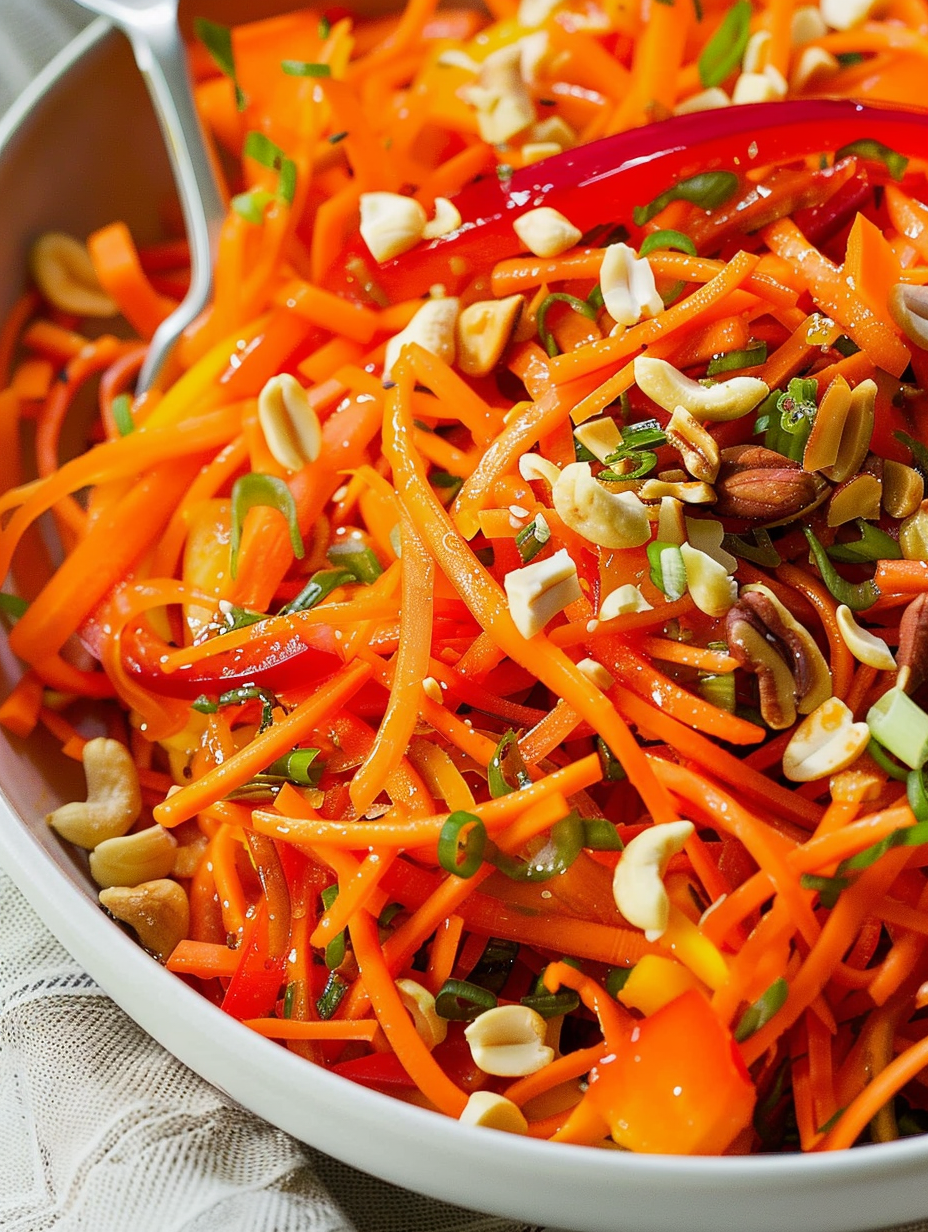
What I love most about this salad is its versatility: it works as a lively side, a crunchy topping for grain bowls, or a zesty filling in sandwiches and wraps. I’ve served it at summer picnics and winter dinners alike — it bridges seasons by offering bright acidity in hot months and a refreshing counterpoint to heavier winter mains.
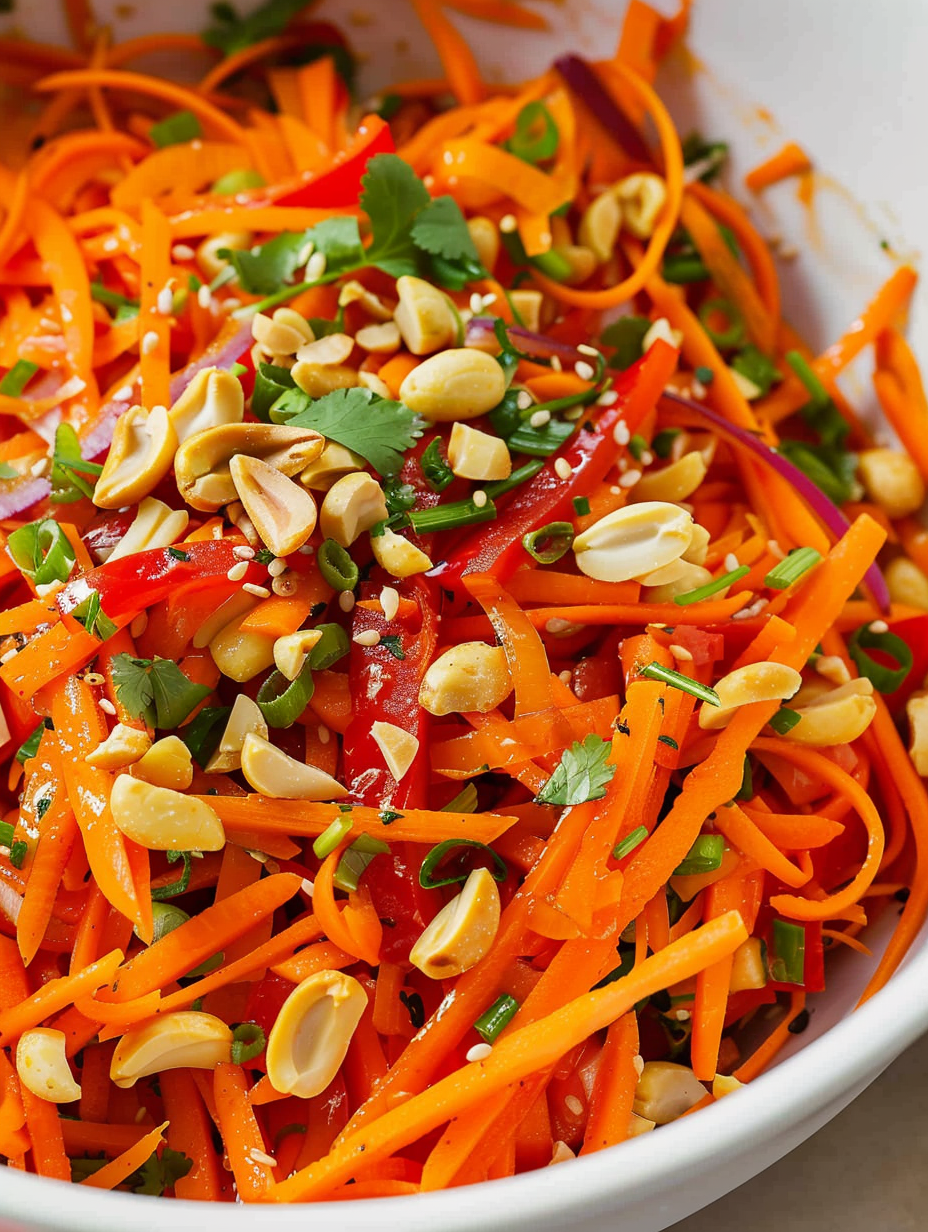
Store the salad in an airtight container in the refrigerator for up to 4 days. Because the vegetables marinate in the dressing, flavor continues to develop; however, the texture will gradually soften after the first 24–48 hours. For the best contrast of crispness and flavor, store the toasted cashews separately and sprinkle them on just before serving. If you need to transport the salad, layer it in a shallow, well-sealed container to avoid crushing the vegetables and keep it chilled until serving.
If you prefer a milder dressing, substitute rice vinegar for distilled white vinegar at a 1:1 ratio for a gentler acidity. Use tamari in place of soy sauce to make the dish gluten-free; tamari is slightly richer, so reduce other salty elements if desired. Pecans or toasted sunflower seeds work as alternatives to cashews for those with nut allergies — use the same quantity by volume. For extra aromatics, add a teaspoon of grated ginger or a small minced garlic clove to the dressing; both add complexity but change the flavor profile slightly.
Serve the salad alongside grilled meats, pan-seared fish, or as part of an Asian-inspired spread with steamed rice, kimchi, and pickled vegetables. It pairs especially well with sesame-coated proteins and oily fish because its acidity cuts through richness. For presentation, mound the salad on a shallow platter, scatter the chopped cashews on top, and finish with a few cilantro sprigs. It also makes a colorful topping for rice bowls, grain salads, or sandwiches, where the crunch and brightness elevate otherwise simple components.
While this salad is commonly called a Korean-style carrot salad in many parts of the world, it’s an example of pan-Asian influence adapted to local tastes. Versions of spicy, pickled, or dressed carrot salads appear across Central Asia, Russia, and Korea, reflecting historic trade routes and migrations. The combination of vinegar, oil, and red pepper is characteristic of these cross-cultural recipes, and the salad’s popularity in potlucks and family tables speaks to its adaptability and universal appeal.
In spring and summer, emphasize raw freshness by using crisp, newly harvested carrots and sweet bell peppers. In colder months, add roasted root vegetables or thin slices of fennel for depth. During harvest season, toss in a handful of fresh herbs like mint or Thai basil for unique aromatics. For holiday meals, replace the cashews with roasted almonds and add a splash of orange juice to the dressing for a festive citrus note.
To meal-prep, julienne the vegetables up to two days ahead and store them in a sealed container lined with a paper towel to absorb excess moisture. Mix the dressing separately and combine only when ready to serve for maximum crispness. If you plan to eat portions over several days, portion the salad into individual containers, keeping the garnish separate until serving. This approach makes weekday lunches effortless and preserves the best texture.
Take this salad as a simple way to add brightness and crunch to any meal — whether you’re feeding a crowd or packing a solo lunch. It’s forgiving, adaptable, and reliably delicious, so make it your own and enjoy the fresh flavors it brings to the table.
Toast cashews in a dry skillet until fragrant, then cool before chopping to maintain crunch and flavor.
If using pre-shredded carrots, reduce the dressing slightly because pre-shredded carrots can be drier.
Adjust heat by adding crushed red pepper flakes little by little; the salad develops spiciness as it rests.
Store cashews separately and add just before serving to preserve their texture.
For a gluten-free version, substitute tamari for soy sauce.
This nourishing spicy korean carrot salad recipe is sure to be a staple in your kitchen. Enjoy every moist, high protein slice — it is perfect for breakfast or as a wholesome snack any time.
Yes — store the salad in an airtight container in the fridge for up to 4 days. The texture will soften over time but flavor improves as it marinates.
Use tamari or a gluten-free soy alternative and verify labels to make the salad gluten-free. Toasted seeds can replace cashews if avoiding tree nuts.
This Spicy Korean Carrot Salad recipe makes perfectly juicy, tender, and flavorful steak every time! Serve with potatoes and a side salad for an unforgettable dinner in under 30 minutes.
Toast 1/3 cup cashews in a dry skillet over medium heat, tossing frequently for 3–5 minutes until golden and fragrant; cool and coarsely chop.
Whisk together 2 tablespoons distilled white vinegar, 1 tablespoon sugar, 1 tablespoon soy sauce, 1 teaspoon sesame oil, and 1/4–1/2 teaspoon crushed red pepper flakes until the sugar dissolves.
Julienne 3 medium carrots and thinly slice 2 bell peppers. Add carrots, peppers, 1/4 cup chopped green onion, and 2 tablespoons chopped cilantro to a medium bowl.
Pour the dressing over the vegetables, toss to coat, cover, and refrigerate for 20 minutes to marinate and develop flavor.
Stir before serving, taste and adjust vinegar or salt as needed, then garnish with chopped toasted cashews.
Last Step: Please leave a rating and comment letting us know how you liked this recipe! This helps our business to thrive and continue providing free, high-quality recipes for you.
Leave a comment & rating below or tag
@velvetyum on social media!
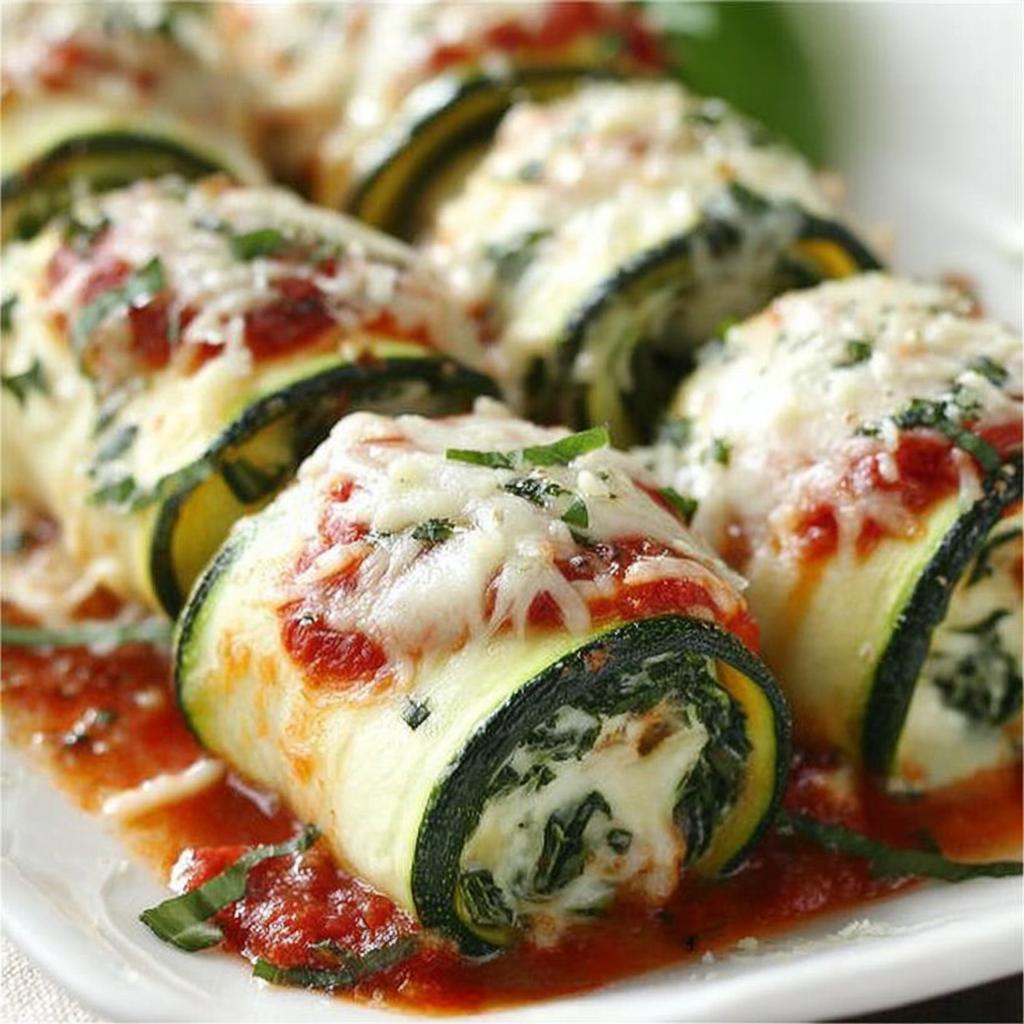
Tender grilled zucchini rolled with a basil-kissed ricotta filling, nestled in marinara, and baked until the mozzarella bubbles and turns golden.
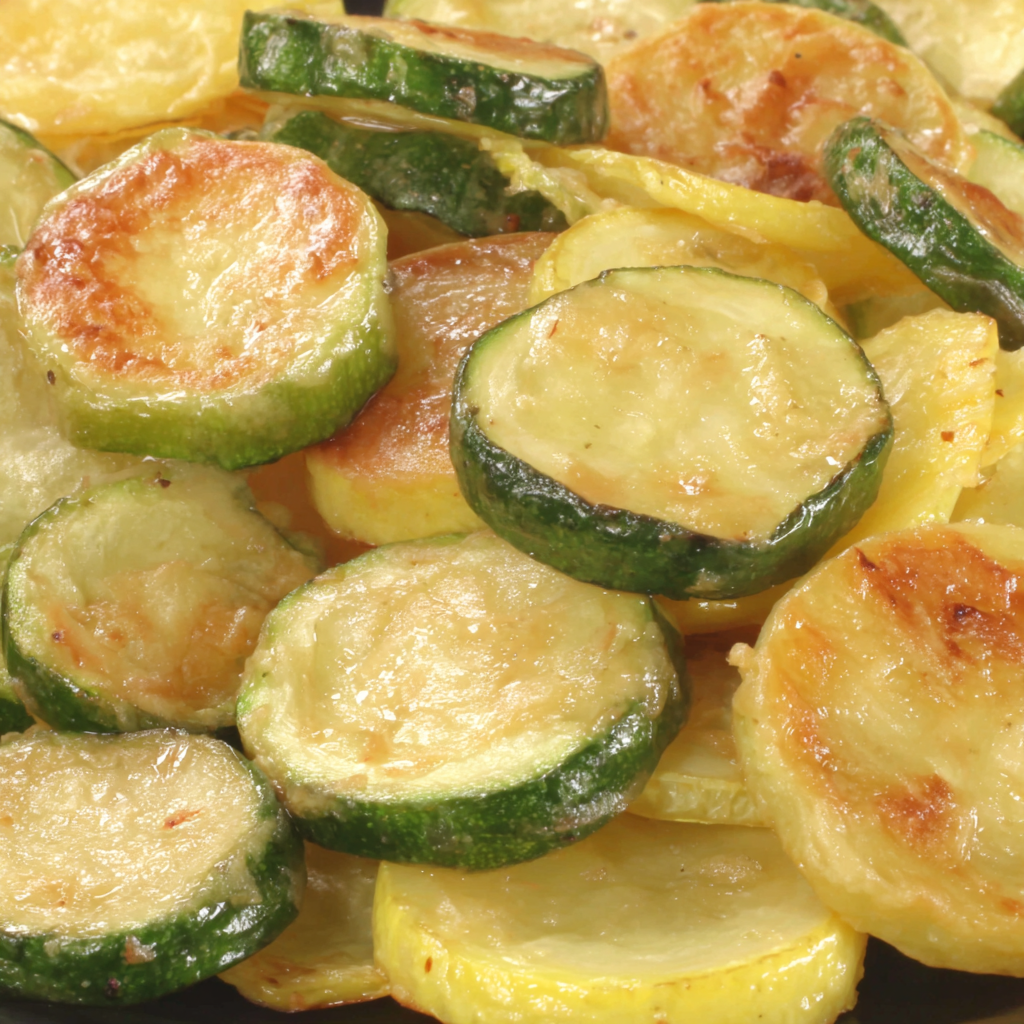
Golden, garlicky rounds with a deep-fried crunch made lighter in the air fryer. A fast, vitamin-packed side everyone devours.
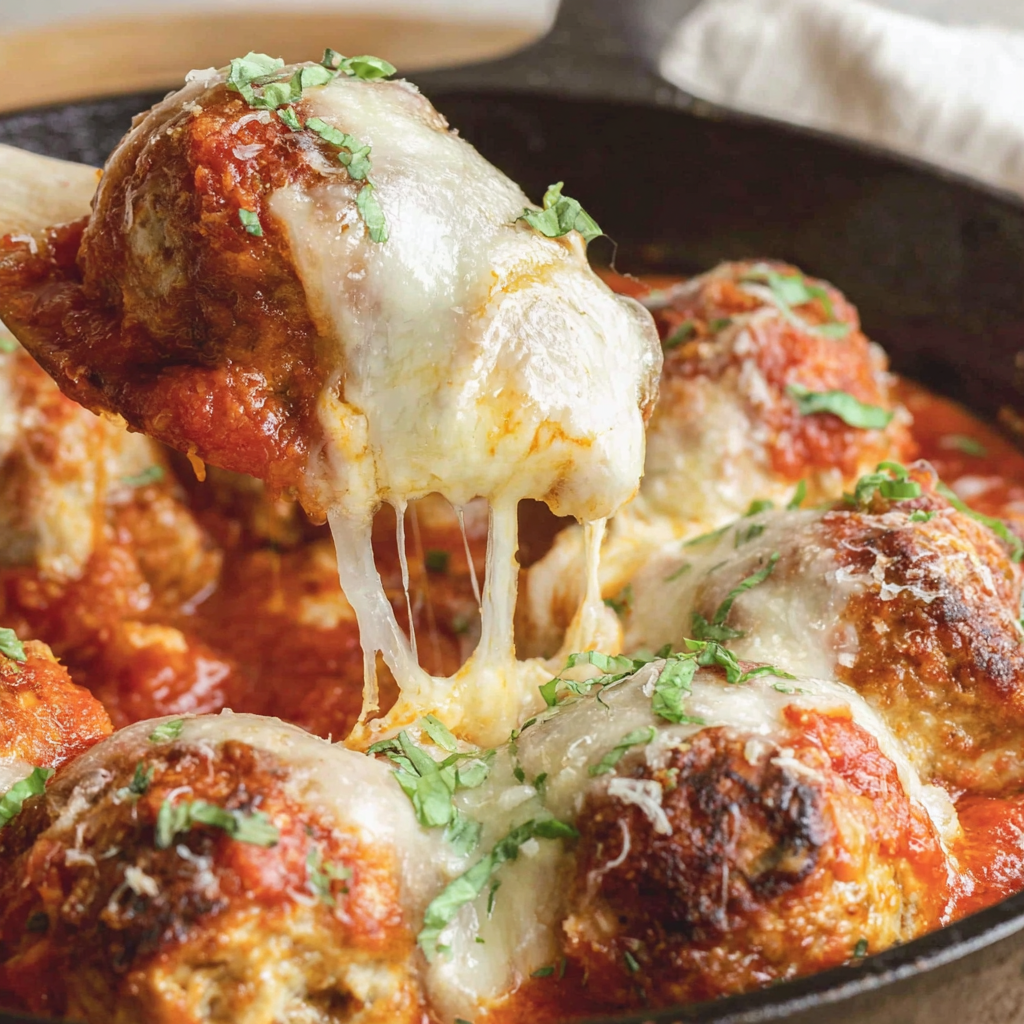
Tender chicken meatballs simmered in marinara, finished with melted mozzarella and basil for cozy, weeknight Italian comfort in every bite.
Leave a comment & rating below or tag @velvetyum on social media!
Enjoyed this recipe? Share it with friends and family, and don't forget to leave a review!
This recipe looks amazing! Can't wait to try it.
Comments are stored locally in your browser. Server comments are displayed alongside your local comments.

Join to receive our email series which contains a round-up of some of our quick and easy family favorite recipes.